Chickens Who Lay Blue Eggs: Discover Which Chickens Lay Blue Eggs
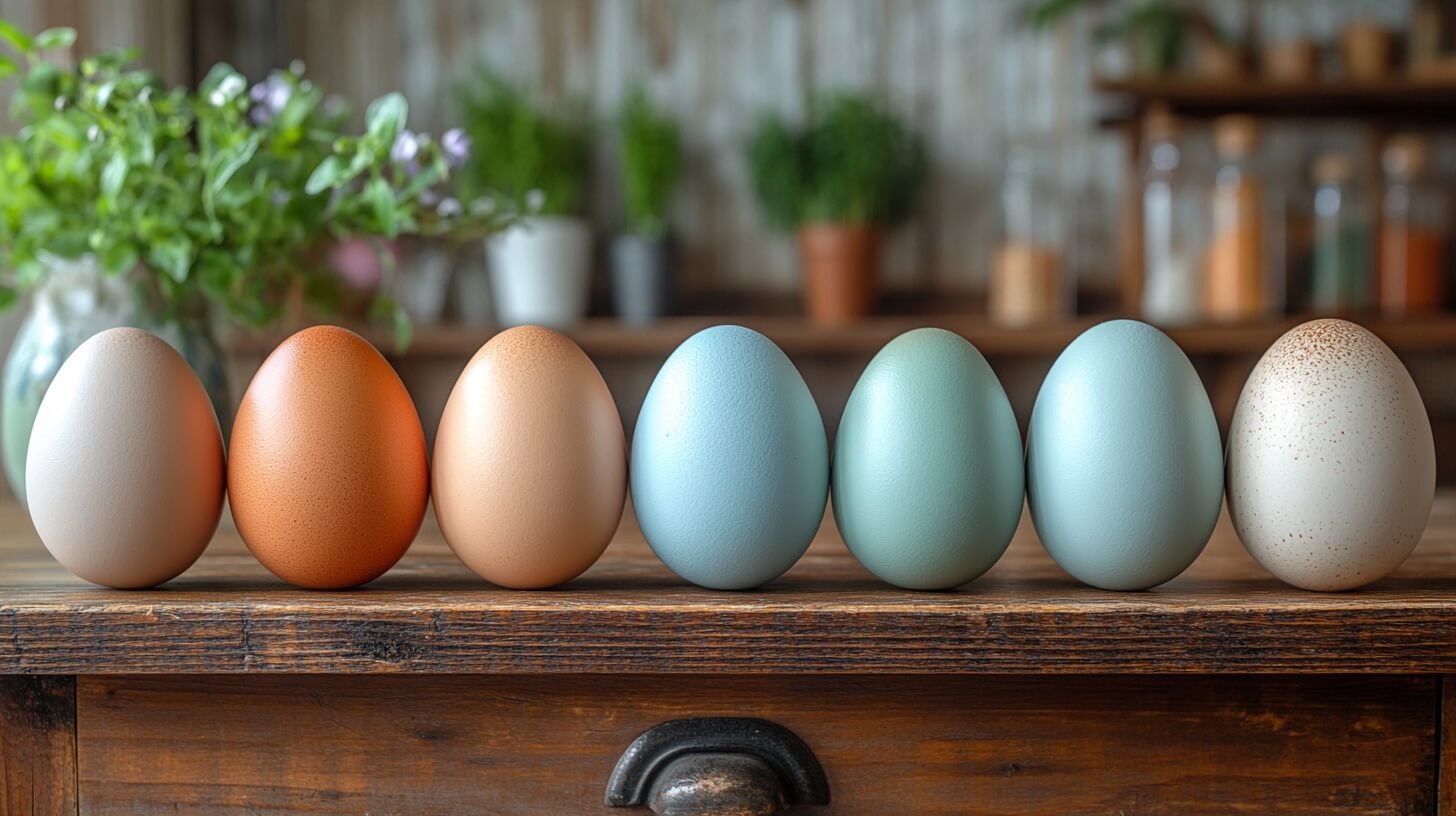
Welcome to the enchanting world of blue egg-laying chickens! These unique hens are not just a visual delight; they bring their own set of fascinating traits, histories, and personalities that elevate backyard farming to an art form. Whether you’re a seasoned poultry enthusiast or a curious beginner, prepare to be captivated by the allure of blue eggs and the delightful hens that produce them.
The Genetics Behind Blue Egg Production
The mystery of blue egg-laying chickens begins with their genetics. The striking blue color of their eggs is due to a pigment called oocyanin, which is deposited on the eggshell as it forms. This pigment is a fascinating byproduct of bile production. Unlike brown egg-laying chickens, where the pigment only coats the outside of the shell, oocyanin permeates the entire shell, giving it a uniform blue color both inside and out. This genetic trait is a dominant one, which means that if a blue egg-laying chicken is crossbred with another, the resulting offspring are likely to inherit this beautiful trait.
The specific genes responsible for blue eggs have been identified as the oocyan gene. This gene is relatively rare and is thought to have originated in South America, where many of the blue egg-laying chicken breeds, like the Araucana, come from. Researchers have mapped this gene to determine its exact location and function, allowing breeders to better understand how to maintain and propagate this trait within their flocks. Genetic studies have shown that the blue egg trait can be maintained across generations through careful breeding practices.
Also, the genetic diversity among blue egg-laying breeds contributes to the robustness and health of these chickens. By maintaining a diverse gene pool, breeders can ensure that these hens remain resilient against diseases and environmental stressors. This genetic variability also means that blue egg-laying chickens can come in various shapes, sizes, and temperaments, offering a delightful array of options for poultry enthusiasts and farmers alike.
Chickens Who Lay Blue Eggs
| Breed/Hybrid | Country of Origin | Size | Lifespan (Years) | Eggs per Year | Egg Details |
|---|---|---|---|---|---|
| Araucana | Chile | Medium-sized | 5-8 | 200-250 | Medium to large, Blue |
| Ameraucana | United States | Medium, dual-purpose | 7-8 | 200-250 | Medium to large, Blue |
| Easter Egger | Hybrid (various) | Varies, medium | 5-8 | 200-250 | Varies, Blue, mix |
| Cream Legbar | United Kingdom | Active, foragers | 5-10 | 200-250 | Medium, Blue |
| Whiting True Blue | United States | Medium-sized | 5-10 | 156-208 | Not specified, Blue |
| Arkansas Blue | United States | Medium | 5-8 | 200-250 | Medium to large, Deep blue |
| Shetland Hen | Scotland | Small to medium | 5-8 | 150-200 | Small to medium, Blue and green |
| Isbar | Sweden | Medium | 5-8 | 200-250 | Medium, Blue to green, speckled |
| Prairie Bluebell | United States | Medium | 5-8 | 200-250 | Medium, Delicate blue |
| Opal Legbar | United Kingdom | Medium | 5-10 | 200-250 | Medium, Blue |
| Super Blue Egger | United States | Medium | 5-8 | 250-300 | Medium to large, Mostly blue, some brown |
| Schijndelaar | Netherlands | Medium | 5-8 | 150-200 | Medium, Blue |
| Fibro Easter Egger | United States | Medium | 5-8 | 200-250 | Medium, Light blue to dark olive |
| Lavender Dream Easter Egger | United States | Medium | 5-8 | 200-250 | Medium, Soft lavender to gentle blue |
| Frizzle Easter Egger | United States | Medium | 5-8 | 200-250 | Medium, Various, including blue |
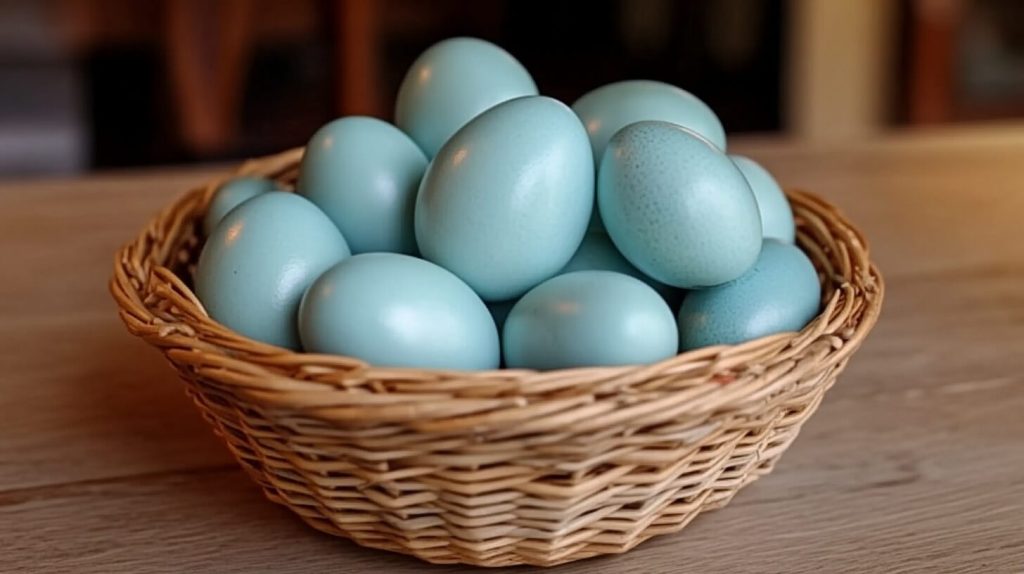
Care and Maintenance of Blue Egg-Laying Hens
Raising blue egg-laying chickens requires attention to their specific care needs to ensure they remain healthy and productive. These hens need a secure, clean, and comfortable coop to thrive. The coop should provide adequate ventilation to prevent respiratory issues and be spacious enough to allow the chickens to move freely. Regular cleaning of the coop is essential to prevent the buildup of harmful bacteria and parasites.
Bedding material, such as straw or wood shavings, should be kept dry and changed regularly. Nesting boxes should be provided to give hens a quiet and comfortable place to lay their eggs. These boxes should be filled with soft bedding to protect the eggs and make the hens feel safe. Additionally, perches should be available for the chickens to roost at night, as this is their natural behavior and helps them feel secure.
Free-range access can significantly benefit blue egg-laying chickens, allowing them to forage for insects and greens, which are essential for their diet and overall well-being. However, it’s crucial to provide protection from predators. Fencing and netting can help keep your hens safe while allowing them the freedom to roam. Regular health checks and vaccinations are also necessary to keep your flock free from diseases. By providing proper care and maintenance, you can ensure your blue egg-laying hens remain happy, healthy, and productive.
Nutritional Needs for Optimal Egg Production
Nutrition plays a crucial role in the health and productivity of blue egg-laying chickens. A balanced diet ensures that hens have the necessary nutrients to produce high-quality eggs consistently. Layer feed, which is specifically formulated for egg-laying hens, is an excellent foundation for their diet. This feed typically contains the right balance of proteins, vitamins, and minerals essential for egg production.
Calcium is a critical nutrient for hens, as it is required for the formation of strong eggshells. Providing a supplemental source of calcium, such as crushed oyster shells or limestone, can help ensure your hens receive enough of this vital mineral. It’s also essential to provide grit, which aids in digestion by helping chickens break down food in their gizzards. Fresh water should always be available, as hydration is crucial for their overall health and egg-laying capabilities.
In addition to commercial feed, offering a variety of kitchen scraps, vegetables, and fruits can provide additional nutrients and keep your hens engaged and happy. Foraging for insects and greens is also beneficial, as it allows hens to consume a natural diet that supports their health and egg production. By paying attention to their nutritional needs and providing a well-rounded diet, you can maximize the egg-laying potential of your blue egg-laying chickens.
Health Considerations for Blue Egg-Laying Chickens
Maintaining the health of your blue egg-laying chickens is paramount to ensuring they live long, productive lives. Regular health checks can help you spot any signs of illness early on, allowing for prompt treatment. Common health issues in chickens include parasites, respiratory infections, and egg-laying problems. Keeping a close eye on your flock’s behavior and physical condition can help you identify potential problems before they become severe.
Parasites, such as mites and lice, can cause significant discomfort and health issues for chickens. Regularly inspecting your hens for signs of infestation and treating them with appropriate remedies can help keep parasites at bay. Additionally, maintaining a clean coop and providing dust baths can help prevent these pests from taking hold. Respiratory infections can be another concern, especially in poorly ventilated coops. Ensuring good airflow and keeping the living environment dry can help prevent these issues.
Egg-laying problems, such as egg binding or prolapse, can occur in hens and require immediate attention. Providing a balanced diet with adequate calcium and monitoring your hens for any signs of distress can help prevent these issues. If you notice any signs of illness or abnormal behavior, consulting with a veterinarian who specializes in poultry can provide the necessary guidance and treatment to keep your hens healthy. Regular vaccination and biosecurity measures can also help protect your flock from common poultry diseases.
The Taste and Nutritional Value of Blue Eggs
One of the most exciting aspects of blue egg-laying chickens is the unique eggs they produce. Blue eggs are not only visually striking but also offer a distinctive flavor profile that many find appealing. The taste of blue eggs is often described as richer and creamier compared to white or brown eggs, making them a favorite among food enthusiasts. This unique flavor can be attributed to the diet and genetics of the hens that lay them.
Nutritionally, blue eggs are comparable to other eggs, offering a rich source of protein, vitamins, and minerals. They are an excellent source of high-quality protein, which is essential for muscle development and overall health. Blue eggs also contain vitamins such as B12, which supports nerve function and blood cell formation, and vitamin D, which is crucial for bone health. Additionally, they provide minerals like selenium and zinc, which are important for immune function and metabolism.
The vibrant blue shells of these eggs are also thicker and stronger than those of many other eggs, which can contribute to a longer shelf life. This durability makes them more resistant to breakage, ensuring that you can enjoy their unique taste and nutritional benefits for longer periods. Whether you enjoy them scrambled, poached, or in gourmet recipes, blue eggs offer a delightful culinary experience that is both nutritious and delicious.
How to Incorporate Blue Eggs into Your Cooking
Incorporating blue eggs into your cooking can elevate your culinary creations and add a touch of uniqueness to your dishes. Their rich and creamy flavor makes them versatile and suitable for a variety of recipes. From breakfast staples to gourmet dishes, blue eggs can enhance your meals with their distinct taste and vibrant appearance.
For a simple yet delicious breakfast, try using blue eggs to make scrambled eggs or an omelet. The creaminess of blue eggs adds a luxurious texture that pairs well with fresh herbs, vegetables, and cheeses. You can also use them to make classic dishes like eggs Benedict or a hearty frittata, where their unique flavor can shine. Their thicker shells also make them ideal for boiling, as they are less likely to crack during cooking. Hard-boiled blue eggs can be used in salads, sandwiches, or as a protein-packed snack.
Blue eggs are also a fantastic ingredient for baking. Their richness can enhance the flavor and texture of cakes, cookies, and pastries. The vibrant blue shells can add a whimsical touch to your presentation, making your baked goods stand out. Additionally, blue eggs can be used in custards, quiches, and soufflés, where their creamy texture can contribute to the overall decadence of the dish. Experimenting with blue eggs in your cooking can open up a world of culinary possibilities and impress your family and friends with both taste and presentation.
The Growing Trend of Blue Egg-Laying Chickens in Backyard Flocks
The allure of blue egg-laying chickens has captivated poultry enthusiasts and backyard farmers alike, leading to a growing trend in raising these unique hens. The visual appeal of blue eggs, combined with the charming personalities of the hens that lay them, has made them a popular choice for those looking to diversify their flocks. This trend is not just about aesthetics; it reflects a broader movement towards sustainable and self-sufficient living.
Raising blue egg-laying chickens can provide a rewarding experience for backyard farmers. These hens are not only productive layers but also bring a sense of novelty and excitement to the daily routine of collecting eggs. The diverse breeds that lay blue eggs offer a variety of traits and characteristics, allowing farmers to choose hens that best suit their needs and preferences. Whether it’s the hardy Araucana, the fluffy-faced Ameraucana, or the charming Cream Legbar, each breed brings its own unique qualities to the flock.
The trend of raising blue egg-laying chickens is also driven by the desire for fresh, high-quality eggs. Many backyard farmers appreciate the ability to have direct control over the care and feeding of their hens, ensuring that the eggs they produce are free from harmful chemicals and additives. This focus on quality and sustainability has contributed to the popularity of blue egg-laying chickens, as more people seek to connect with their food sources and make environmentally conscious choices. By raising these unique hens, backyard farmers can enjoy the benefits of fresh, nutritious eggs while contributing to the preservation of rare and heritage breeds.
FAQs about Blue Chicken Eggs
Can chickens lay blue eggs?
Yes, certain breeds of chickens, such as Araucana, Ameraucana, and Cream Legbar hens, naturally lay blue eggs due to a genetic trait that produces a blue pigment called oocyanin in the eggshell.
Are blue eggs safe to eat?
Absolutely, blue eggs are just as safe and edible as white or brown eggs. They have the same nutritional content and can be used in any recipe.
Are blue eggs good for you?
Blue eggs have the same nutritional profile as other chicken eggs, providing protein, vitamins, and minerals. They don’t have unique health benefits compared to white or brown eggs.
Do blue eggs have more protein?
No, blue eggs do not have more protein than white or brown eggs. Their protein content is equivalent, depending on the egg's size and the hen's diet.
Why are blue eggs more expensive?
Blue eggs are often pricier because the breeds that lay them are less common, produce fewer eggs, and may require specialized care, increasing production costs.
Are blue eggs natural?
Yes, blue eggs are completely natural. The blue color comes from oocyanin, a pigment deposited in the eggshell during formation, unique to specific chicken breeds.
Where do blue eggs come from? How are blue eggs made?
Blue eggs come from breeds like Araucanas and Ameraucanas, originating from South America. The blue color is created when oocyanin is deposited in the eggshell during the egg-forming process in the hen’s oviduct.
Are blue eggs rare?
Blue eggs are rarer than white or brown eggs because fewer chicken breeds lay them, and these breeds are less common in commercial egg production.
How do you get blue eggs?
To get blue eggs, raise hens from breeds like Araucanas, Ameraucanas, or Cream Legbars, which naturally lay blue-shelled eggs.
Are blue eggs blue inside?
No, blue eggs are not blue inside. The blue color is only in the shell; the yolk and white are the same as in any other chicken egg.
Conclusion: Why You Should Consider Raising Blue Egg-Laying Hens
In conclusion, raising blue egg-laying hens offers a myriad of benefits that can enrich your backyard farming experience. These unique chickens bring a delightful combination of visual appeal, fascinating genetics, and charming personalities that make them a joy to keep. The vibrant blue eggs they produce are not only a treat for the eyes but also offer a rich and creamy flavor that can elevate your culinary creations.
The diverse breeds of blue egg-laying chickens, such as the Araucana, Ameraucana, and Cream Legbar, provide a range of options to suit different preferences and needs. Their distinct traits and characteristics add variety and interest to your flock, making the daily routine of caring for them both enjoyable and rewarding. By providing proper care, nutrition, and attention to their health, you can ensure that your blue egg-laying hens remain happy, healthy, and productive.
The growing trend of raising blue egg-laying chickens reflects a broader movement towards sustainable and self-sufficient living. By raising these hens, you can enjoy the benefits of fresh, high-quality eggs while contributing to the preservation of rare and heritage breeds. Whether you are a seasoned poultry enthusiast or a curious beginner, blue egg-laying chickens can bring a touch of magic to your backyard and make your farming journey truly unique. So, why not consider adding these extraordinary hens to your flock and discover the enchanting world of blue egg-laying chickens for yourself?
The gear we reach for again and again lives in our shop, along with everything else worth buying twice.
View our picks in Flock Supplies →